
What Is a Wafer Frame (Wafer Ring)? A Complete Guide for Semiconductor Manufacturing
In modern semiconductor manufacturing, precision is everything. Each silicon wafer contains thousands—or even millions—of integrated circuits. A tiny vibration, misalignment, or surface defect during processing can cause costly failures. To protect wafers during critical fabrication steps, manufacturers rely on a specialized tool known as the wafer frame, also called a wafer ring.
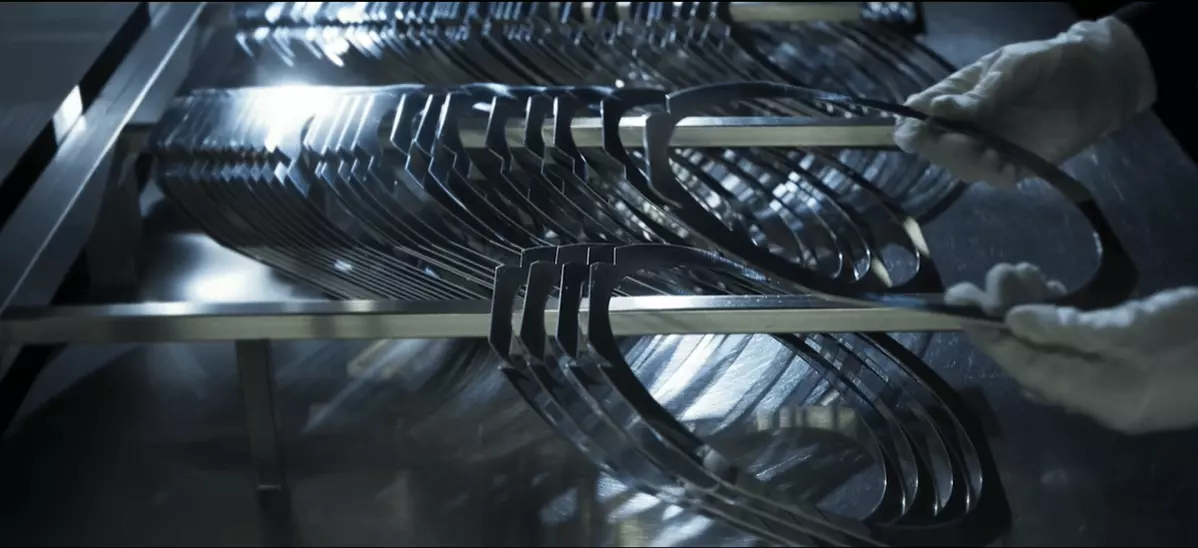
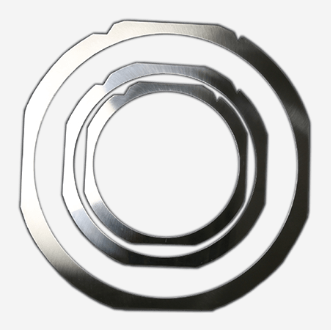
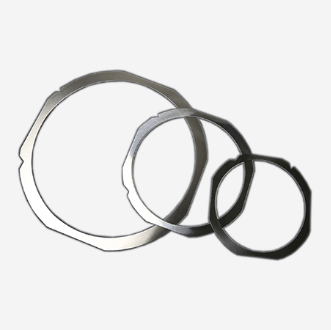
A wafer frame is a rigid, circular metal ring—typically made from stainless steel—used to hold and support a semiconductor wafer during processes such as dicing, grinding, polishing, cleaning, and transport. The wafer is attached to the frame using a special adhesive or UV-release film, which keeps it firmly in place while allowing safe removal after processing.
Although the wafer frame may look simple, it plays a crucial role in maintaining stability, accuracy, and yield throughout the entire semiconductor production cycle.

Why Wafer Frames (Wafer Rings) Are Essential
As wafers move through manufacturing, they become thinner and more fragile. During dicing, the wafer is cut into individual chips. During grinding and polishing, material is removed to achieve the required thickness and surface finish. Without proper support, wafers can:
- Crack
- Warp
- Shift position
- Lose alignment
- Suffer edge damage
A high-quality wafer frame prevents these issues by providing:
- Mechanical stability
- Precise alignment
- Uniform pressure distribution
- Safe handling
This is why wafer frames and wafer rings are considered essential tools in semiconductor fabs worldwide.
Wafer Frame vs. Wafer Ring: Are They Different?
The terms wafer frame and wafer ring are often used interchangeably. Both refer to the same tool: a circular support structure used to mount and hold wafers during processing.
- Wafer Frame is commonly used in industrial and technical documentation.
- Wafer Ring is often used in equipment manuals and regional markets.
Functionally, there is no difference between the two. Both serve the same purpose: securing the wafer safely and accurately.
How a Wafer Frame Works
The wafer is mounted to the wafer ring using a special adhesive film. This film:
- Holds the wafer firmly in place
- Prevents movement during processing
- Protects the wafer surface
- Allows easy removal after processing
During dicing, the blade cuts through the wafer while the frame maintains alignment. During grinding, the frame supports the wafer as material is removed. During cleaning, the frame allows safe transport without touching the wafer surface directly.
This combination of stability and protection is what makes wafer frames indispensable.
Materials Used in Wafer Frames
Most professional wafer frames are made from stainless steel, especially 420 stainless steel. This material is chosen for several important reasons:
1. High Rigidity
Wafer frames must resist bending or deformation. Stainless steel provides the structural strength needed to maintain flatness and accuracy.
2. Corrosion Resistance
Semiconductor environments involve chemicals, moisture, and cleaning agents. Stainless steel resists rust and corrosion, even with repeated use.
3. Dimensional Stability
A wafer ring must maintain precise dimensions over time. Stainless steel does not warp easily, even under temperature changes.
4. Long Service Life
High-grade stainless steel wafer frames can be reused many times without losing performance.
Because of these advantages, stainless steel remains the preferred material for wafer frame manufacturing.
Reusable Design and Cost Efficiency
One major benefit of wafer frames is their reusability. After each production cycle:
- The adhesive film is removed
- The wafer frame is cleaned
- The frame is inspected
- A new film is applied
As long as the frame meets flatness and dimensional standards, it can be reused again and again. This reduces material waste, lowers long-term costs, and supports sustainable manufacturing practices.
Wafer Frame Sizes and Customization
Wafer frames come in different sizes to match various wafer diameters, such as:
- 6-inch wafers
- 8-inch wafers
- 12-inch wafers
Custom wafer rings can also be produced for:
- Special equipment
- Unique wafer shapes
- Specific mounting systems
- Advanced processes
Precision machining ensures that each wafer frame fits perfectly with production tools and carriers.
Precision and Flatness: Why Quality Matters
In semiconductor manufacturing, even microns matter. A poorly made wafer frame can cause:
- Uneven cutting
- Chip edge damage
- Alignment errors
- Yield loss
A high-quality wafer ring ensures:
- Minimal vibration
- Consistent wafer tension
- Accurate blade alignment
- Smooth cutting results
This directly improves chip yield and reduces waste.
Wafer Frames in Different Process Stages
1. Dicing
The wafer is cut into individual chips. The wafer frame holds the wafer securely to prevent movement during blade contact.
2. Grinding
Material is removed from the wafer’s backside. The wafer ring supports the thin wafer to prevent cracking.
3. Polishing
Surface smoothness is refined. The frame maintains uniform pressure.
4. Cleaning
The wafer remains mounted for safe handling and transport.
5. Inspection
The wafer frame allows easy positioning for quality checks.
At every stage, the wafer ring protects the wafer and ensures process stability.
Cleanroom Compatibility
Semiconductor fabs operate in strict cleanroom environments. Wafer frames must meet high cleanliness standards:
- Low particle generation
- Smooth surfaces
- Easy cleaning
- Chemical resistance
Stainless steel wafer frames are ideal for cleanrooms because they can be thoroughly cleaned without degrading.
Wafer Frame Manufacturing Process
High-quality wafer frames are produced using:
- Precision CNC machining
- Surface polishing
- Flatness inspection
- Dimensional measurement
- Material certification
Each step ensures that the wafer ring meets semiconductor industry standards.
Why Stainless Steel Is the Best Choice
Compared to plastic or aluminum alternatives, stainless steel wafer frames offer:
| Feature | Stainless Steel | Aluminum | Plastic |
|---|---|---|---|
| Rigidity | Excellent | Good | Low |
| Corrosion Resistance | Excellent | Moderate | Good |
| Cleanroom Use | Excellent | Moderate | Moderate |
| Reusability | High | Medium | Low |
| Long-Term Stability | Excellent | Moderate | Low |
This is why most high-end fabs choose stainless steel wafer rings.
YJ Corevia Wafer Frames: Built for Precision
At YJ Corevia, we design and manufacture premium wafer frames for advanced semiconductor applications. Our wafer rings are made from high-grade 420 stainless steel and engineered to meet strict industry requirements.
Key Features:
- Exceptional flatness
- High dimensional accuracy
- Corrosion resistance
- Long service life
- Cleanroom compatibility
- Custom sizing available
Our wafer frames support:
- Dicing
- Grinding
- Polishing
- Cleaning
- Transport
With precision machining and strict quality control, YJ Corevia wafer rings provide the reliability needed for high-yield production.
Custom Wafer Frame Solutions by YJ Corevia
Different fabs have different requirements. YJ Corevia offers:
- Custom diameters
- Special thickness
- Unique mounting designs
- Application-specific frames
Our engineering team works closely with customers to deliver wafer frames that match their exact needs.
Why Semiconductor Professionals Choose YJ Corevia
Customers choose YJ Corevia wafer frames because we provide:
- Proven manufacturing experience
- Technical engineering expertise
- Industry-grade materials
- Consistent product quality
- Custom design support
- Transparent production standards
Our goal is not just to sell wafer rings — it is to support stable, high-yield semiconductor manufacturing.
Common Questions About Wafer Frames
1. Are wafer frames reusable?
Yes. With proper cleaning and inspection, wafer frames can be reused many times.
2. What material is best for wafer rings?
420 stainless steel is widely preferred for its strength and stability.
3. Do wafer frames affect yield?
Yes. High-quality frames improve alignment and reduce defects.
4. Are wafer frame and wafer ring the same?
Yes. The terms are interchangeable.
Conclusion
A wafer frame (or wafer ring) may look simple, but it is one of the most important tools in semiconductor manufacturing. It protects fragile wafers, ensures precise alignment, reduces defects, and supports consistent production results.
By choosing high-quality stainless steel wafer frames, manufacturers can improve yield, reduce waste, and maintain reliable operations.
With advanced engineering, premium materials, and strict quality control, YJ Corevia delivers wafer frames that meet the highest standards of modern semiconductor fabrication.
Ready to Upgrade Your Wafer Frame Solutions?
If you are looking for high-precision wafer frames / wafer rings that deliver stability, durability, and cleanroom compatibility, YJ Corevia is here to support your production needs.
With decades of manufacturing experience, certified stainless steel materials, and custom design capabilities, we provide reliable wafer frame solutions for semiconductor dicing, grinding, polishing, and transport.
Contact YJ Corevia today to discuss your wafer frame requirements, request technical specifications, or receive a customized quotation.
Let’s build a more stable, efficient, and high-yield semiconductor process together.
About YJ Corevia
YJ Corevia is a Taiwan-based manufacturer specializing in precision stainless steel solutions for semiconductor and industrial applications. With decades of manufacturing experience, the company produces wafer frames, wafer rings, and custom stainless steel components for global customers.


