
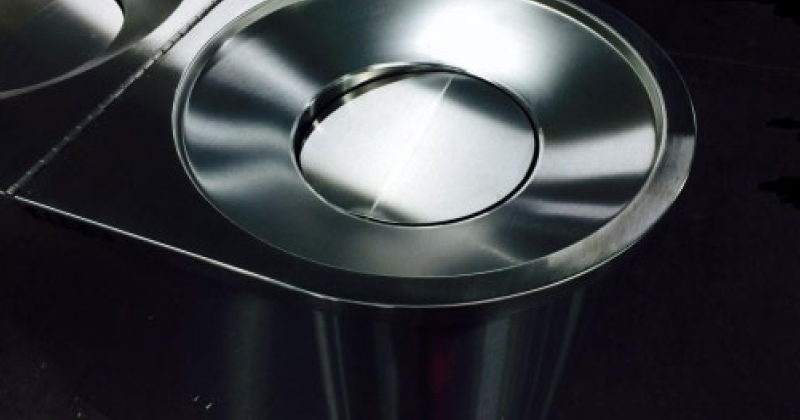
Main Characteristics of Stainless Steel Explained
Introduction to Stainless Steel
Stainless steel is everywhere in our daily lives, from kitchen sinks and storage racks to industrial equipment and semiconductor tools. In Taiwan, it is often called “white iron” because of its bright appearance and strong resistance to rust. But beyond its look, stainless steel is valued for much more than just its surface.
To choose the right material for different applications, it is important to understand the main characteristics of stainless steel. These include corrosion resistance, strength, durability, hygiene, workability, and long-term reliability. Each stainless steel grade offers different performance features depending on its chemical composition, which is why stainless steel is used in so many industries, including construction, food processing, medical equipment, and semiconductor manufacturing.
Another key reason stainless steel is so popular is its versatility. It can be shaped, welded, polished, and reused without losing its core properties. It is also environmentally friendly, as it is 100% recyclable. In this article, we will explain the characteristics of stainless steel, how it resists rust, the differences between common grades, and how stainless steel wafer frames support high-precision semiconductor processes.
Stainless Steel Characteristics
Stainless steel is valued across many industries because of its unique combination of performance, durability, and versatility. The main stainless steel characteristics make it suitable for everything from household products to high-precision industrial and semiconductor applications.
1. Corrosion Resistance
One of the most important stainless steel characteristics is its strong resistance to rust and corrosion. This comes from the chromium content in the alloy, which reacts with oxygen to form a thin protective oxide layer on the surface. This layer prevents moisture, air, and chemicals from damaging the metal underneath.
Because of this natural protection, stainless steel performs well in humid environments, outdoor conditions, and even in contact with cleaning agents or industrial chemicals. This is why it is commonly used in kitchens, medical facilities, factories, and cleanrooms.
2. Strength and Mechanical Stability
Stainless steel offers excellent strength and structural stability. It can heavy loads, resist deformation, and maintain its shape even after long-term use. This makes it ideal for construction, machinery, and precision components such as wafer frames used in semiconductor manufacturing.
Another key stainless steel characteristic is dimensional stability. The material does not easily warp or bend, which helps maintain accuracy in applications that require tight tolerances and consistent performance.
3. Hygiene and Easy Cleaning
The smooth, non-porous surface of stainless steel makes it very easy to clean. Dirt, oil, and bacteria do not easily stick to the surface, which helps maintain hygiene. This is one of the main reasons stainless steel is widely used in food processing equipment, hospitals, laboratories, and pharmaceutical production.
Regular cleaning does not damage the material, and stainless steel maintains its appearance and performance even after repeated washing and sterilization.
4. Heat and Chemical Resistance
Stainless steel performs well under high temperatures and chemical exposure. It does not lose strength easily when heated and can withstand many industrial fluids, cleaning solutions, and processing chemicals.
This stainless steel characteristic makes it suitable for manufacturing environments where heat, pressure, and chemical contact are part of daily operations.
5. Workability and Versatility
Another important stainless steel characteristic is its flexibility in manufacturing. Stainless steel can be cut, welded, bent, polished, and formed into many shapes without losing its core properties.
This makes it ideal for both standard products and custom-made solutions, such as specialized industrial equipment or precision wafer frames.
6. Long Service Life
Stainless steel products are known for their long lifespan. Thanks to their corrosion resistance and mechanical strength, they require less maintenance and fewer replacements over time. This reduces long-term costs and improves overall efficiency for businesses and manufacturers.
7. Environmental Sustainability
Stainless steel is 100% recyclable and can be reused without losing its quality. Even after years of use, stainless steel still has material value. This makes it an environmentally responsible choice and supports sustainable manufacturing practices.
Why Stainless Steel Does Not Rust Easily
One of the most important characteristics of stainless steel is its ability to resist rust. Compared to regular carbon steel, stainless steel performs much better when exposed to air and moisture.
This rust resistance comes from chromium, one of the main elements in stainless steel. When chromium is exposed to oxygen, it forms a thin, invisible layer of chromium oxide on the surface. This protective layer acts as a shield, preventing air and moisture from reaching the metal underneath and causing corrosion.
Stainless steel is mainly made of iron, chromium, carbon, and other elements. To form this protective layer, the chromium content must be at least 11%. If the chromium level is too low, the steel will not have enough protection and can rust more easily.
This natural self-protecting surface is what makes stainless steel ideal for both indoor and outdoor use, as well as for cleanroom and industrial environments.
Common Types of Stainless Steel
Different grades show different characteristics of stainless steel, depending on their composition.
304 Stainless Steel
304 stainless steel contains about 18% chromium and 8% nickel. It is non-magnetic, cannot be heat-treated, and offers excellent corrosion resistance and workability. Because of its balanced performance, it is widely used in food equipment, medical devices, and industrial applications.
430 Stainless Steel
430 stainless steel contains 16–18% chromium and has a low carbon content. It is magnetic and does not contain nickel, which makes it more affordable. This grade is commonly used for kitchen utensils, wire mesh, decorative panels, and household products.
Another important characteristic of stainless steel is sustainability. Stainless steel products are 100% recyclable and still have value even after years of use. This makes stainless steel a smart choice for both performance and environmental responsibility.
Stainless Steel Wafer Frames in Semiconductor Manufacturing
In the semiconductor industry, the characteristics of stainless steel are especially important. Wafer frames must be strong, stable, and resistant to corrosion to support precise wafer processing, including mounting, dicing, cleaning, and transport.
One key characteristic of stainless steel wafer frames is dimensional stability. The material keeps its shape under pressure and during repeated use, helping maintain accurate wafer alignment and reducing the risk of damage.
Corrosion resistance is another critical feature. Stainless steel wafer frames are often exposed to moisture, chemicals, and cleaning processes. The chromium-based protective layer helps prevent rust, ensuring long-term reliability even in demanding cleanroom environments.
Stainless steel is also easy to clean and reuse. Its smooth surface reduces particle buildup, which supports contamination control in semiconductor production. This makes stainless steel wafer frames both cost-effective and suitable for high-purity manufacturing.
At YJ Corevia, our wafer frames are produced using high-quality 304 stainless steel to ensure strength, durability, and stable performance. With precision fabrication and custom sizing options, YJ Corevia wafer frames meet the strict requirements of advanced semiconductor processes.
YJ Corevia – Quality You Can Trust
YJ Corevia uses premium 304 stainless steel to deliver reliable, long-lasting products. All products come with a one-year warranty (excluding misuse or vandalism) and include official material certification from the original manufacturer.
With our own factory in Taiwan, YJ Corevia controls every step of production, from material selection to final inspection. This allows us to maintain consistent quality and offer custom-made stainless steel solutions that meet specific customer needs with confidence. Contact us now!


