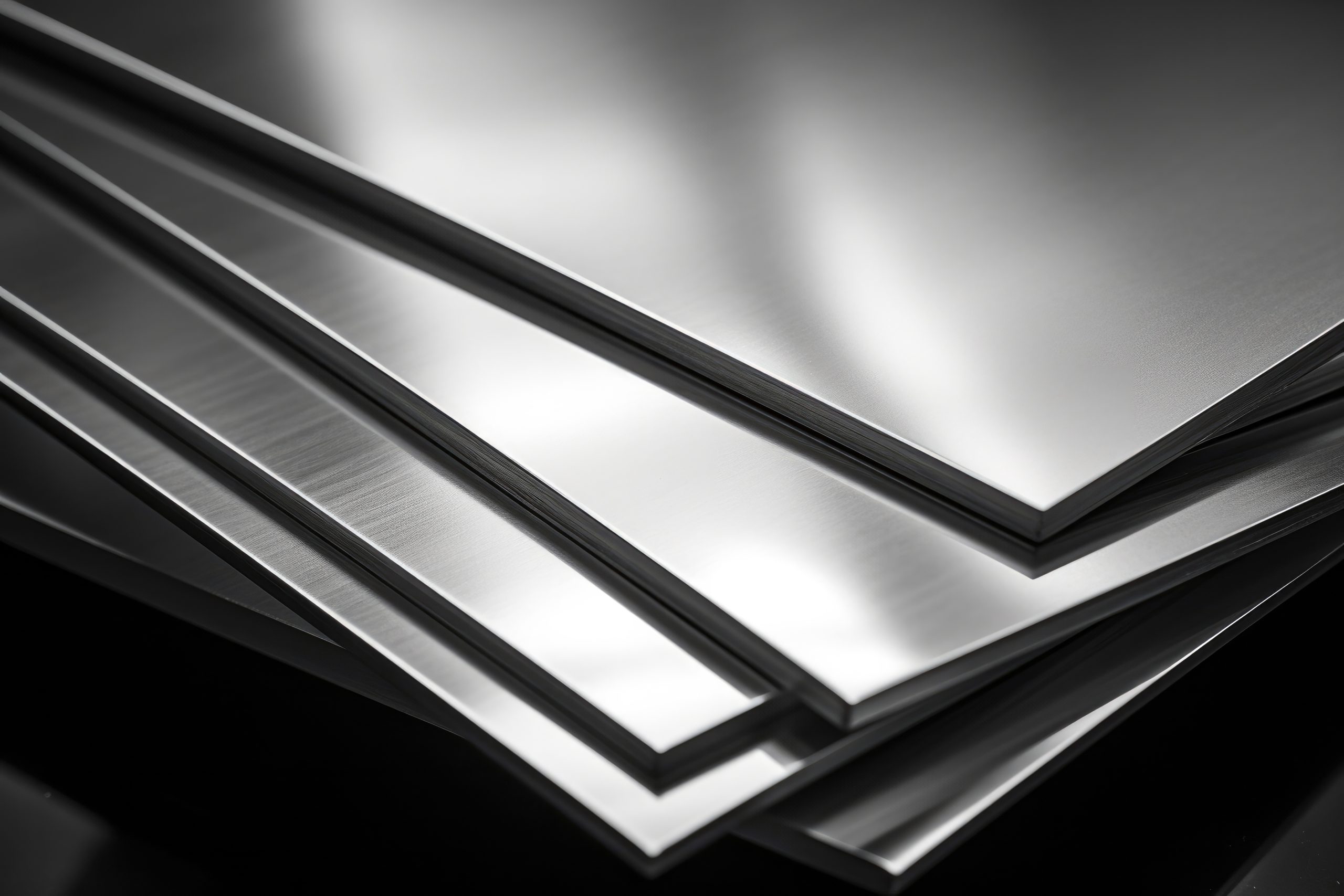
SUS 200, 300, and 400 Series Stainless Steel Sheet Differences
Selecting the right stainless steel material is critical in the semiconductor industry, where precision, contamination control, and long-term stability are essential. For components such as wafer frames, dicing rings, and semiconductor carriers, material performance directly impacts yield, reliability, and process consistency.
Among the most commonly used materials, SUS 200, 300, and 400 series stainless steel sheets differ significantly in composition, corrosion resistance, and suitability for cleanroom environments.
Why Stainless Steel Selection Matters in Semiconductor Manufacturing
In semiconductor processes such as wafer dicing, grinding, packaging, and transport, components like wafer frames (disco wafer frames), dicing rings, and metal film frames must meet strict requirements:
- High dimensional accuracy and rigidity
- Excellent corrosion and chemical resistance
- Low particle generation and contamination risk
- Stability under cleanroom and chemical exposure
The choice of stainless steel directly affects these factors.
SUS 200 Series: Low-Cost Option with Limited Semiconductor Suitability
The SUS 200 series stainless steel contains higher manganese and lower nickel, making it a cost-effective alternative.
Key Characteristics
- Lower material cost
- Reduced corrosion resistance
- Lower ductility and structural stability
Impact on Wafer Frame Applications
For semiconductor products such as wafer frames, the 200 series presents several limitations:
- Higher risk of corrosion and oxidation, affecting cleanroom compatibility
- Potential dimensional instability during repeated use
- Increased contamination risk in precision processes
👉 Conclusion: The 200 series is generally not recommended for semiconductor-grade wafer frames or high-precision applications.
SUS 300 Series: Preferred Material for Wafer Frames and Semiconductor Components
The SUS 300 series stainless steel, especially SUS 304 and SUS 316, is the industry standard for semiconductor applications.
Key Advantages for Semiconductor Use
- Excellent corrosion and chemical resistance
- High mechanical strength and dimensional stability
- Superior surface finish control (polished or matte)
- Low particle generation, suitable for cleanrooms
Application in Wafer Frames
For products such as:
- Wafer Frame / Disco Wafer Frame
- Dicing Ring / Wafer Ring
- Metal Film Frame
The 300 series ensures:
- Stable wafer fixation during dicing and back-end processing
- Resistance to chemical cleaning and ultrasonic processes
- Long-term durability with repeatable use cycles
SUS 304 vs SUS 316
- SUS 304: Standard choice for most wafer frame applications
- SUS 316: Enhanced corrosion resistance (with molybdenum), ideal for more demanding environments
👉 Conclusion: The 300 series is the best and most reliable choice for semiconductor wafer frames and precision components.
SUS 400 Series: Magnetic and Economical, but Limited for Precision Use
The SUS 400 series stainless steel, such as SUS 430, contains little to no nickel and exhibits magnetic properties.
Key Characteristics
- Lower cost
- Magnetic behavior
- Reduced corrosion resistance
Impact on Semiconductor Applications
For wafer frame and cleanroom usage:
- More prone to rust and surface degradation
- Less suitable for chemical exposure environments
- Potential risk of particle contamination
👉 Conclusion: The 400 series is not ideal for high-precision semiconductor applications, especially wafer frames.
Key Comparison for Wafer Frame Material Selection
| Feature | SUS 200 Series | SUS 300 Series | SUS 400 Series |
|---|---|---|---|
| Corrosion Resistance | Moderate | Excellent | Lower |
| Cleanroom Compatibility | Low | High | Medium–Low |
| Dimensional Stability | Moderate | High | Moderate |
| Recommended for Wafer Frames | ❌ No | ✅ Yes | ❌ No |
| Cost | Low | Medium–High | Low |
Best Stainless Steel Choice for Wafer Frames
For semiconductor manufacturers and suppliers, especially those producing:
- Disco Wafer Frames
- Dicing Rings / Wafer Rings
- Wafer Frame Cassettes and Carriers
The SUS 300 series stainless steel stands out as the optimal material due to its:
- Proven industry reliability
- Compatibility with cleanroom and chemical processes
- Ability to maintain precision and structural integrity over time
Conclusion
When comparing SUS 200, 300, and 400 series stainless steel sheets, the differences are especially critical in semiconductor applications.
- SUS 200: Economical but unsuitable for precision wafer handling
- SUS 300: The industry standard for wafer frames and semiconductor components
- SUS 400: Cost-effective but limited corrosion resistance
For high-performance applications such as wafer frames, dicing rings, and semiconductor carriers, choosing the right material is not just about cost—it is about ensuring process stability, product quality, and long-term reliability.
In the semiconductor industry, SUS 300 series stainless steel is the clear and trusted choice.